


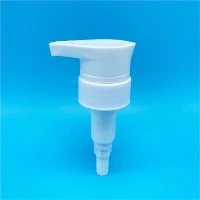
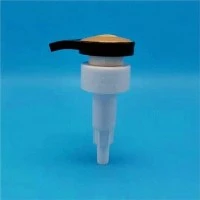

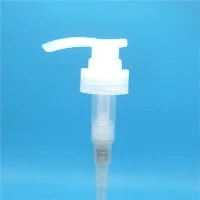
Hey everyone, let's cut to the chase. If you're in the game of making, testing, or just using 4.0ml ± 0.04ml measurements-like the precision pumps we supply, you know how critical keeping your measurement gear clean is. One tiny spot of leftover gunk, residue, or cross-contamination can throw that whole ±0.04ml window way off, which is a huge deal for consistency, safety, and meeting customer specs. As someone who's been in this precision pump supply game for years, I've learned that cleaning these tools isn't just a quick rinse-it's a step-by-step process that protects both your measurements and the pumps we ship, like our New Design Plastic Lotion Pump Products, Pink Rose Lotion Pump Replacement, Click Lock Liquid Soap Pump, 28 410 Lotion Pump For Plastic Bottle, and Alcohol Hand Sanitizer Dispenser Pump lines. Today I'm breaking down exactly how to clean your 4.0ml ±0.04ml measurement instruments so you can keep those numbers spot-on.
First, let's talk about what kind of instruments we're dealing with here. Most folks in this space use two main types: either the graduated measuring cylinders/pipettes that pull exact volumes for testing, or the actual pumps themselves (since we're pumping 4.0ml, pump calibration tools often double as measurement gear). Either way, the goal is the same: remove every trace of previous product-oil, lotion, sanitizer, whatever-without damaging the tool or leaving residue that would mess up future measurements. The worst thing you can do is use a one-size-fits-all approach; something that works for a beaker won't work for a tiny precision pump chamber, for example.
Let's start with pre-cleaning prep because skipping this step is a rookie move. Before you even get to soap or water, you need to remove any big, obvious debris. For pumps, that means taking them apart gently (no brute force!) and wiping the outside with a lint-free wipe-paper towels leave fuzz that can get stuck in small parts, so trust me on the lint-free. For graduated cylinders or pipettes, empty any remaining liquid into a waste container right away, don't let it dry in the tool. If you're dealing with something like hand sanitizer residue, pre-rinse with cold water first because hot water can make sticky alcohol residue set faster. We always do this at our facility before testing our pumps, like when we run checks on our Alcohol Hand Sanitizer Dispenser Pump lineup-pre-rinsing keeps the testing accurate for our customers.
Next, the deep clean. This is where it's key to match your cleaning method to the instrument type. Let's split this into two categories: glass/plastic graduated measurement tools (cylinders, pipettes, burettes) and precision pump measurement chambers (since pump output is often measured with dedicated tools). For glass or plastic grad tools, skip the regular dish soap that has moisturizers or fragrances-those leave film that's impossible to rinse out and will skew your volume. Instead, use a pH-neutral lab detergent (something like Alconox works great, no fancy stuff needed) mixed with warm (not hot!) water. Hot water can warp plastic tools, which is a big no-no because warping changes volume. For glass, use a soft brush (like a pipette brush) to scrub the inside gently-no scouring pads, they scratch glass and that scratch will catch residue. For plastic tools, even gentler: swirl the detergent solution around, don't scrub hard enough to bend them.
For pump measurement chambers or actual pump test fixtures, here's where precision matters most. The tiny chambers that hold exactly 4.0ml can have gunk stuck in crevices you can't see. Take the chamber apart if you can (most of our pumps, like the New Design Plastic Lotion Pump Products, have simple disassembly steps), then soak the small parts in that same pH-neutral detergent + warm water mix for 10-15 minutes. Don't soak them longer-some plastic parts can break down if left in detergent too long. After soaking, use a small, soft nylon brush (like a toothbrush, but brand new so no old gunk on it) to gently scrub the tiny openings and crevices. For really stuck stuff, like dried lotion, use a cotton swab (not the fuzzy kind-use the rigid plastic-tipped ones) to get into tight spots.
Now, rinsing is non-negotiable. If you skip a good rinse, all that detergent will sit in your tool and when you measure 4.0ml, you'll get extra detergent in the mix, changing the actual volume. For glass tools, rinse with cold tap water first, then do three final rinses with distilled water-tap water has minerals that leave spots or film, which is bad for precision. For plastic tools, stick to distilled water for all rinses, since tap minerals can scratch or fog plastic over time. For pump chambers, rinse each part individually with distilled water, then blow out any excess water with clean, compressed air (NO oil-based compressed air-only food-grade/lab-grade, since oil will leave residue). At our facility, we use filtered compressed air for testing our Pink Rose Lotion Pump Replacement parts because even a tiny oil spot can throw off the 4.0ml measurement.
Drying is another step people mess up, and it's crucial. If you air-dry glass or plastic tools, lay them upside down on a lint-free drying rack-never on a paper towel, fuzz city. For pump parts, lay them on a clean lint-free cloth, don't stack them, since stacking can trap moisture. If you're in a hurry, use a fan (low speed, no directed blast) or let them sit in a clean cabinet for 24 hours-no using a towel to pat dry, you'll leave lint. We always air-dry our pump parts overnight before calibrating them for shipments, which is why our Click Lock Liquid Soap Pump line has such consistent volume.
Wait, what about when to sanitize vs. clean? A lot of people mix these up. Cleaning is removing visible residue, sanitizing is killing germs. If your 4.0ml measurement tools are only used for testing product (not for food or medical stuff that needs extra safety), sanitizing might not be necessary every time-but if you're switching between different products (like lotion vs. hand sanitizer), you definitely need to sanitize to avoid cross-contamination, which will mess up your measurements. The best way to sanitize precision tools without damaging them is to soak them in 70% isopropyl alcohol for 5 minutes, then rinse with distilled water. Don't use higher concentrations (91% or 99%)-they evaporate too fast and can leave a film. We do this between testing different pump formulations here, so when we test our 28 410 Lotion Pump For Plastic Bottle, the previous test product is totally gone.
Common mistakes to avoid, because I've made all of these: First, using the wrong detergent-dish soap with moisturizer is a killer. Second, skipping pre-rinsing-dried product is way harder to get off than wet product. Third, using hot water on plastic tools-warping is real, and a warped cylinder can throw off measurements by way more than 0.04ml. Fourth, not rinsing enough-detergent residue adds volume, so when you pipette 4.0ml, you're actually getting 4.0ml of liquid + detergent, which is over. Fifth, drying with paper towels-fuzz in a pump chamber means you'll measure extra volume, which is bad for customers who need exactly 4.0ml.
Now, since we're in the business of 4.0ml ±0.04ml pumps, let's tie this back to why this cleaning process matters for our products. When a customer uses our pump, they're relying on that exact volume-if their measurement tool is dirty, they might reject our pump because their test says it's off, when really it's their tool's fault. By sharing this cleaning guide, we're helping our customers keep their processes accurate, which in turn makes our pumps look good. That's why we've worked hard to make our pump designs easy to take apart and clean, like our New Design Plastic Lotion Pump Products line-no tiny hidden screws that break when you take them apart.
If you're a customer who's dealing with inconsistent 4.0ml measurements, or you're looking for pumps that are easy to maintain and calibrate like ours, we'd love to chat. Whether you need replacements (check out our Pink Rose Lotion Pump Replacement parts) or new designs, our team can help you find the right pump for your needs. Don't let dirty measurement tools mess up your process-take the time to clean right, and your ±0.04ml specs will be spot on every time.


- References
- United States Pharmacopeia (USP) General Chapter <651> "Volumetric Apparatus"
- International Organization for Standardization (ISO) 8655-2:2002 "Piston-operated volumetric apparatus – Part 2: Pipettes"
- Food and Drug Administration (FDA) "Good Manufacturing Practices (GMP) for Medical Devices" – Cleaning Validation Guidelines
- ASTM International E1155-19 "Standard Practice for Cleaning Laboratory Glassware and Laboratory Plasticware"
- Routine Cleaning and Maintenance of Precision Liquid Handling Equipment, Lab Manager Magazine, 2021