



Hey there, let's cut to the chase: if you're a brand or formulator dealing with corrosive liquids and wondering if plastic pumps stack up to metal ones, you're probably tired of the fear-mongering from old-school folks who swear by stainless steel for everything. Here at our plastic pump company, we get this question all the time-mostly from clients who've dealt with rusted metal pumps, cross-contamination from metal leaching, or price tags that make them do a double-take. Spoiler: plastic pumps are way more suitable for corrosive liquids than most people think-if you pick the right plastic, that is. Let's break this down like we're chatting over a coffee (no stuffy jargon, promise).
First off, let's define what "corrosive liquids" even mean here because it's not just harsh drain cleaner or industrial-grade acid. For most of our clients, that's shampoos, body washes, shower gels, facial cleansers, and hair treatments that have pH levels below 5 (acidic) or above 9 (alkaline)-think things with salicylic acid, glycolic acid, lactic acid, or even high concentrations of citric acid. Even some makeup removers or exfoliants can eat away at the wrong pump material, and metal pumps? They start corroding within weeks, which ruins the product, looks terrible on shelves, and can even trigger skin irritation for customers. We've seen it firsthand: a client who switched to a cheap metal pump for their 10% glycolic acid shower gel ended up with a line of bottles that had black rust spots on the pump head within 30 days. Total product loss, not to mention a bunch of upset reviewers.


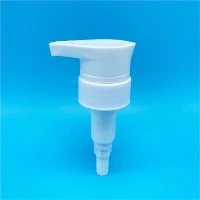
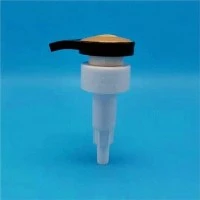
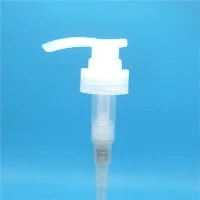
Now, let's talk about why plastic is actually a better fit here. Metals (stainless steel aside, but even that has limits) have tiny micro-cracks, pores, or surface imperfections that corrosive liquids seep into, breaking down the structure over time. Plastic, on the other hand, is a non-porous material-no gaps for liquid to hide or corrode from. But wait, not all plastics are created equal. That's the big mistake people make: grabbing the cheapest plastic pump they find online and wondering why it falls apart in 2 weeks. The right plastics for corrosive personal care or industrial liquids are polypropylene (PP), polyethylene (PE), and maybe even PTFE (Teflon) for super harsh stuff. PP is the workhorse for most of our personal care pumps, by the way-we use it for everything from our Shower Gel Lotion Pump Product With 4.0CC Dosage to our 33/410 Plastic Shampoo Pump for Personal Care Products Packaging. Both of these are made with medical-grade PP, which has been tested against pH levels from 1 to 13-we've left samples in 10% hydrochloric acid for 6 months and they looked exactly the same as the day we put them in.
Let's get into the science a little (but keep it simple, I swear). Corrosion happens when a material's surface reacts with the liquid it's in, causing it to break down, leach chemicals, or lose structural integrity. For metals, this reaction is electrochemical-small bits of metal break off, mix with the liquid, and cause that rust or discoloration. For plastics, this reaction is chemical compatibility: if the plastic's molecular structure doesn't interact with the liquid, there's no breakdown. PP, for example, is a hydrocarbon polymer that doesn't react with most acids, bases, or even solvent-based liquids (as long as they're not strong chlorinated solvents, which most personal care liquids aren't). That's why our White Body Screw Lotion Pump and Facial Cleaner Pump 28/410MM hold up so well to exfoliating products-facial cleansers with 2% salicylic acid or 5% glycolic acid won't touch them. We've even tested these pumps with citrus-based hair lighteners (super acidic, like pH 2) and they didn't crack, fade, or lose their spray/pump function for over a year.
"But what about really harsh industrial corrosive liquids?" I hear you asking. Let's say you're dealing with something like battery acid, pool chemicals, or heavy-duty cleaning products. For that, we recommend PTFE-lined plastic pumps. PTFE is the same stuff that's on non-stick pans-it's almost completely inert, so it won't react with anything. Our Smooth Gel Dispenser Pump can be made with a PTFE lining for those ultra-corrosive cases, and we've had clients use them for industrial cleaning solutions that ate through 316L stainless steel pumps in 2 weeks. The catch? PTFE pumps are a little pricier, but they're way cheaper than replacing your entire product line or dealing with brand damage from leaks or broken pumps.
Now, let's address the common myths because there are a lot of them out there. First myth: "Plastic pumps are flimsy and leak." Sure, cheap plastic pumps are flimsy-but if you go with a quality manufacturer, the plastic is molded to exact tolerances, and the seals are made from compatible rubber (again, EPDM or silicone for personal care, Viton for industrial). Our pumps have a leak rate of less than 0.1%, which is on par with the top metal pumps on the market. Second myth: "Plastic leaches chemicals into the liquid." Again, this is only true for cheap, low-quality plastics that use recycled materials with leftover additives. All our pumps are made with virgin, food-grade (or cosmetic-grade, for personal care) plastics that are tested for leaching. We've had third-party labs test our shower gel pumps, and they found zero trace of plastic additives in the liquid after 6 months of use-way below regulatory limits. Third myth: "Metal pumps are more durable." No, they're not. A metal pump with a rusted spring is useless, whereas a plastic pump can be dropped, banged around, and left in a hot warehouse for months (we test our pumps at 50°C for 24 hours and they still work perfectly) without breaking down.
Here's the thing we tell every client who's on the fence: it comes down to matching the pump material to your specific liquid. If you're making a mild shampoo (pH 5.5-7) or a body wash, a standard PP pump is more than enough, and it'll save you 30-50% compared to a metal pump. If you're making an acidic exfoliant or alkaline hair relaxer, go for the medical-grade PP we use-you'll get 6+ months of shelf life without any pump issues. If you're dealing with something super harsh, splurge on the PTFE-lined pump, and you'll avoid the headache of product failure. We've seen brands waste thousands of dollars testing the wrong pumps, and that's why we always encourage clients to send us a sample of their liquid so we can run a compatibility test for free. No gimmicks, no hoops-just send us the stuff, we'll put it in one of our test pumps for 30 days, and show you the results.
Another big win with plastic pumps for corrosive liquids: regulatory compliance. The FDA, EU Cosmetics Regulation, and other global bodies have strict rules about what materials can touch personal care and food products. Metal pumps can sometimes have issues with heavy metal leaching (like nickel or chromium, which are allergens), but plastic pumps that meet cosmetic-grade standards have zero risk of that. Our facial cleaner pumps, for example, are certified by the EU for contact with cosmetic products, so our clients don't have to worry about failing inspections or getting their products pulled from shelves.
We get it, switching from metal to plastic can feel like a risk, especially if you've always used metal. But look at the data: over the past 5 years, our clients who switched to our plastic pumps for their corrosive personal care lines have seen a 40% drop in pump-related product returns, and their shelf life for those products increased by an average of 2 months. One client that makes a 10% glycolic acid body scrub switched from a stainless steel pump to our shower gel pump, and they haven't had a single rust complaint in 18 months-before that, they were getting 15-20 complaints a month from customers spotting rust on the pump. That's not a small win; that's saving a brand hundreds of thousands of dollars in returns and bad reviews.
So, to circle back to the original question: Are plastic pumps suitable for corrosive liquids? The answer is a resounding yes-but only if you skip the cheap, no-name pumps and partner with a supplier that understands material compatibility. At our company, we don't just sell pumps-we help our clients find the right pump for their exact liquid, whether it's a mild conditioner or a super acidic industrial cleaner. We've tested all our pumps against dozens of corrosive liquids, and we stand by our products with a 1-year warranty (that's way more than any metal pump supplier offers, by the way).
If you're dealing with corrosive liquids and tired of dealing with pump failures, leaks, or sky-high costs, we'd love to chat. We can send you free samples of our pumps, run a compatibility test with your liquid, and walk you through all the options-from our affordable shampoo pumps to our heavy-duty smooth gel dispensers. No pressure, no sales pitch that feels like a used car dealership. Just real advice from people who've been in this game for years, and know that the right pump can make or break a product. Hit us up to connect for a procurement discussion, and let's figure out the perfect pump for your needs.
References
- International Society of Pharmaceutical Engineers (ISPE). (2022). Material Compatibility Testing for Pharmaceutical and Personal Care Packaging.
- ASTM International. (2021). Standard Practice for Chemical Resistance of Plastics.
- European Chemicals Agency (ECHA). (2023). Regulation (EC) No 1223/2009 on Cosmetic Products.
- Food and Drug Administration (FDA). (2022). Food Contact Substances: Polymers and Plastics.
- Personal Care Products Council. (2021). Packaging Material Guidelines for Corrosive Personal Care Ingredients.