



In the world of colors, clear color stands out as a unique and versatile entity. As a supplier of clear color products, I've witnessed firsthand the importance of being able to distinguish clear color from other colors. This ability is crucial not only for aesthetic purposes but also for various industrial and commercial applications. In this blog post, I'll share some insights on how to distinguish clear color from other colors and why it matters in our business.
Understanding Clear Color
Clear color, often referred to as transparency or translucency, is characterized by its ability to allow light to pass through it without significant distortion. Unlike opaque colors that block light, clear color materials provide a view of what lies behind them. This property makes clear color highly sought after in industries such as packaging, cosmetics, and electronics.
One of the key features of clear color is its lack of pigmentation. Pigments are substances that give color to materials by absorbing certain wavelengths of light and reflecting others. In clear color materials, there are either no pigments or very few, allowing light to pass through almost unimpeded. This results in a color that appears neutral and does not have a dominant hue like red, blue, or green.
Visual Inspection
The most straightforward way to distinguish clear color from other colors is through visual inspection. When looking at a clear color object, you should be able to see through it clearly, with minimal distortion or cloudiness. Compare it to objects with other colors; if they block or alter the light significantly, they are not clear color.
For example, when examining a plastic bottle, a clear color bottle will allow you to see the contents inside clearly, without any tint or haze. In contrast, a colored bottle will have a distinct hue that affects the appearance of the contents and may even make it difficult to see what's inside.
However, visual inspection may not always be sufficient, especially when dealing with materials that are slightly tinted or have a low level of clarity. In such cases, you may need to use additional methods to make a more accurate distinction.
Measuring Clarity
To measure the clarity of a material, you can use instruments such as a haze meter or a transparency meter. These devices work by measuring the amount of light that is scattered or absorbed by the material as it passes through. A clear color material will have a low haze value, indicating that it allows most of the light to pass through without significant scattering.
Haze is defined as the percentage of light that is scattered more than 2.5° from the incident beam. A lower haze value means better clarity. For example, a high-quality clear plastic sheet may have a haze value of less than 1%, while a material with a higher haze value will appear more cloudy or opaque.
Transparency, on the other hand, is a measure of how much light is transmitted through the material. A clear color material will have a high transparency value, typically close to 100%. By using these instruments, you can quantify the clarity of a material and determine whether it meets the standards for clear color.
Chemical Analysis
In some cases, chemical analysis may be necessary to distinguish clear color from other colors, especially when dealing with complex materials or mixtures. Chemical analysis can help identify the presence of pigments or other additives that may affect the color and clarity of the material.
For example, if you suspect that a clear color material has been contaminated with a colored substance, you can use techniques such as chromatography or spectroscopy to analyze its composition. These methods can detect the presence of specific chemicals and determine their concentration in the material.
Another approach is to perform a solubility test. Clear color materials are often made from polymers or other substances that are soluble in certain solvents. By dissolving a small sample of the material in a suitable solvent and observing the resulting solution, you can determine whether it contains any insoluble pigments or impurities. If the solution is clear and free of particles, it is likely a clear color material.
Applications of Clear Color
Clear color products have a wide range of applications in various industries. In the packaging industry, clear color plastic bottles and containers are commonly used to showcase the contents and provide a premium look. They are also preferred for products that need to be protected from light, as clear color materials can be designed to block harmful UV rays while still allowing visibility.
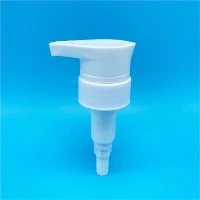
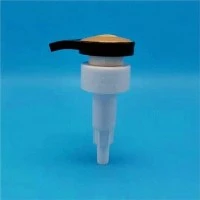
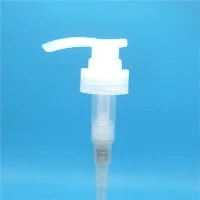
For example, Smooth Gel Dispenser Pump and Sparkle Plastic Pump are often used in clear color packaging for cosmetics and personal care products. These pumps not only provide a convenient way to dispense the product but also enhance the overall aesthetic appeal of the packaging.
In the electronics industry, clear color materials are used for displays, lenses, and protective covers. Their high transparency and optical properties make them ideal for applications where clear visibility and minimal light distortion are required. Daily Personal Care Packaging Dispenser Pump is another example of a product that benefits from clear color materials, as it allows users to easily see the remaining amount of the product.
Importance of Distinguishing Clear Color
As a supplier of clear color products, it is essential to be able to distinguish clear color from other colors accurately. This ensures that we can provide our customers with high-quality products that meet their specific requirements. By using the methods described above, we can ensure that our clear color products have the desired level of clarity and transparency.


In addition, being able to distinguish clear color from other colors helps us in quality control and product development. We can identify any issues with the clarity of our products early on and take corrective actions to improve them. This not only enhances customer satisfaction but also helps us maintain a competitive edge in the market.
Conclusion
Distinguishing clear color from other colors is an important skill that requires a combination of visual inspection, measurement techniques, and chemical analysis. By understanding the properties of clear color and using the appropriate methods, you can accurately identify clear color materials and ensure their quality.
As a clear color supplier, we are committed to providing our customers with the highest quality clear color products. Whether you are in the packaging, cosmetics, electronics, or any other industry, we have the expertise and resources to meet your needs. If you are interested in learning more about our clear color products or have any questions about distinguishing clear color, please feel free to contact us for a procurement discussion. We look forward to working with you to find the best solutions for your business.
References
- ASTM International. (20XX). Standard test methods for haze and luminous transmittance of transparent plastics.
- Smith, J. (20XX). Handbook of plastics testing and analysis.