



Hey there! As a plastic pump supplier, I often get asked if plastic pumps can be used for a heat - transfer system. Well, let's dive right into this topic and find out.


First off, let's understand what a heat - transfer system is. In simple terms, a heat - transfer system is designed to move heat from one place to another. This could be in a small domestic heating system or a large industrial setup. The key components usually include a heat source, a heat sink, and a medium (like a liquid) to transfer the heat. And that's where the pump comes in. The pump is responsible for circulating the heat - transfer fluid throughout the system.
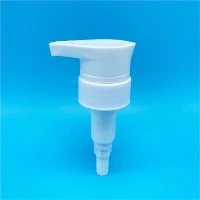
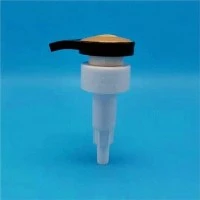
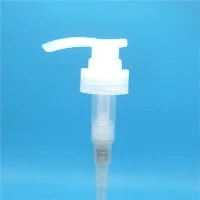
Now, let's talk about plastic pumps. Plastic pumps are popular for a variety of reasons. They're lightweight, corrosion - resistant, and often more affordable compared to their metal counterparts. In many consumer products, plastic pumps are the go - to choice. For example, you can find them in Bathroom Liquid Soap Dispenser, Refreshing Shower Gel Elegant Plastic Lotion Pump, and Bathroom Soap Dispenser Pump. But can they handle the demands of a heat - transfer system?
One of the main factors to consider is the temperature range. Heat - transfer systems can operate at a wide range of temperatures. Some systems may work at relatively low temperatures, say around 20 - 50 degrees Celsius, while others can reach much higher temperatures, even exceeding 100 degrees Celsius. Most plastics have a limited temperature tolerance. If the temperature in the heat - transfer system gets too high, the plastic can start to deform, lose its structural integrity, and even melt. This can lead to pump failure and potentially damage the entire heat - transfer system.
However, not all plastics are created equal. There are some high - performance plastics that can withstand higher temperatures. For instance, polyetheretherketone (PEEK) and polyphenylene sulfide (PPS) are known for their excellent heat resistance. These plastics can handle temperatures well above 200 degrees Celsius, making them more suitable for certain high - temperature heat - transfer applications. But they come at a higher cost, which might be a consideration for some projects.
Another aspect is the chemical compatibility. The heat - transfer fluid used in the system can be a variety of substances, such as water, glycol - based solutions, or other specialized chemicals. Plastic pumps need to be compatible with these fluids. If the plastic reacts with the fluid, it can lead to degradation of the pump material. For example, some plastics may dissolve or swell when exposed to certain solvents. This can cause leaks, reduced pump efficiency, and ultimately, system failure.
On the positive side, plastic pumps have some advantages in heat - transfer systems. As I mentioned earlier, their corrosion resistance is a big plus. In systems where the heat - transfer fluid is prone to causing corrosion, like water with high mineral content, a plastic pump can last much longer than a metal one. Also, their lightweight nature makes them easier to install and handle, especially in smaller or portable heat - transfer systems.
When it comes to the type of heat - transfer system, there are different requirements. In a closed - loop system, where the heat - transfer fluid is continuously recirculated, the pump doesn't have to deal with external contaminants as much. This can be beneficial for plastic pumps, as they are less likely to be exposed to substances that could cause damage. In an open - loop system, however, the pump may be more vulnerable to environmental factors and contaminants, which could potentially affect the plastic material.
Let's also consider the pressure requirements. Heat - transfer systems can operate at different pressures. Some systems may require high - pressure pumps to ensure proper circulation of the fluid. Plastic pumps may have limitations in terms of the maximum pressure they can handle. Metal pumps are generally better at withstanding high pressures. But for low - pressure heat - transfer systems, plastic pumps can do the job just fine.
In some cases, plastic pumps can be a great fit for heat - transfer systems. For example, in small - scale domestic heating systems or in applications where the temperature and pressure requirements are relatively low, plastic pumps can offer a cost - effective and reliable solution. They can also be used in systems where the heat - transfer fluid is a non - corrosive and non - reactive substance.
But in large - scale industrial heat - transfer systems with high - temperature, high - pressure, or aggressive chemical environments, metal pumps may be the safer choice. However, with the continuous development of new plastic materials and manufacturing techniques, the capabilities of plastic pumps are constantly improving.
So, can plastic pumps be used for a heat - transfer system? The answer is, it depends. It depends on the specific requirements of the heat - transfer system, including temperature, pressure, chemical compatibility, and the type of system. As a plastic pump supplier, I'm always here to help you make the right choice. If you're considering using a plastic pump for your heat - transfer system, we can have a detailed discussion about your project's needs. We can evaluate the temperature range, the heat - transfer fluid, and the pressure requirements to determine if a plastic pump is suitable.
If you're interested in learning more about our plastic pumps or have a heat - transfer project in mind, I encourage you to reach out for a procurement discussion. We can work together to find the best solution for your specific situation.
References:
- "Handbook of Plastic Materials and Technology"
- "Heat Transfer Principles and Applications"