



Key Facts About PCR Plastics

PCR stands for Post-Consumer Recycled Plastic. It describes plastic waste generated after end consumers use up products. These discarded plastics go through a complete recycling workflow: collection, sorting, cleaning, crushing and re-pelletization, turning waste plastic into usable recycled resin for manufacturing new products.
Unlike virgin plastic which is produced directly from petroleum feedstock, PCR plastic unlocks the reusability of plastic waste. It diverts waste from landfills and oceans, reduces consumption of fossil resources, and substantially cuts greenhouse gas emissions generated during material production. Sustainability has become a prevailing trend across the global cosmetic and personal care sectors. More and more beauty and skincare brands are transitioning from conventional packaging to PCR-based solutions, to meet consumers' growing demand for eco-friendly goods and comply with increasingly strict environmental regulations around the world.
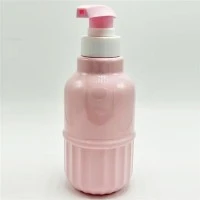
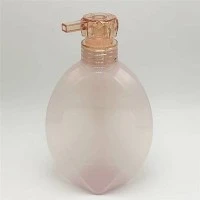
PCR materials are widely applied in cosmetic packaging, especially for liquid dispensing components. By blending PCR resin into packaging structures, finished parts can maintain full functional performance while lowering the overall carbon footprint of the product. The recycled content ratio can be flexibly customized according to different market standards and brand requirements. Common available ratios include 30%, 50%, 75%, and higher proportions are also achievable upon request.
Many buyers hold concerns that recycled plastic may compromise the performance of finished packaging. With optimized material formulation, stable performance can be guaranteed. The dispensing component delivers consistent and accurate dosage with every press, features reliable leak-proof performance, and offers good chemical compatibility with lotions, body butter, body milk, facial cleanser, hand sanitizer and many other personal care formulations. Multiple surface finishing options are supported, including matte finish, glossy finish, silk screen printing, hot stamping, laser engraving and labeling. Brands can customize appearances and logos to communicate their sustainable values to end consumers.
Raw material quality control is the core of PCR product production. Recycled plastic comes from diverse waste streams and may carry impurities. Strict incoming inspection is carried out before production starts. Recycled pellets are screened carefully, and formulas are adjusted to minimize quality fluctuations. Every finished piece passes a series of professional tests, including dispensing volume test, leakage test, pressure test and aging test. Official PCR content certificates can be provided to support brand green marketing, overseas customs clearance and regulatory compliance declaration.
Sustainable packaging is no longer a niche concept but a necessary part of global brand development. Adopting PCR packaging helps brands build a greener image, attract eco-conscious customers and stay competitive in the international personal care market.