


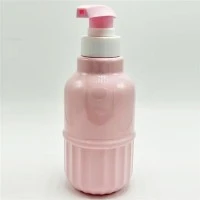
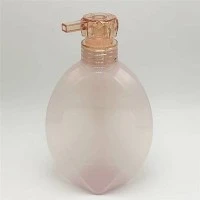


Know how to use lotion pumps and soap pumps

When it comes to dispensing liquids from bottles, lotion pumps and soap pumps are two of the most commonly used mechanisms. While they may appear similar at first glance, there are several key distinctions in their design, functionality, and compatibility with different types of liquids.
The primary difference lies in the viscosity and thickness of the liquids they are engineered to handle. Lotion pumps are typically designed for thicker, more viscous formulations such as hand creams, body lotions, or moisturizers. These pumps often feature wider dip tubes and larger internal chambers to accommodate denser substances that do not flow easily. The actuator-the part you press-is generally designed to deliver a controlled, measured amount of product per stroke, usually a small dab, which helps prevent waste and ensures consistent application.
On the other hand, soap pumps are intended for thinner, free-flowing liquids such as hand soaps, body washes, or shampoos. These formulations have lower viscosity, so soap pumps typically have narrower tubes and are optimized for faster dispensing. They are engineered for quick and efficient delivery, making them well-suited for high-traffic areas like bathrooms or kitchens. Due to the lower viscosity of liquid soaps, the pump mechanism does not require as much suction or pressure to dispense the product.
Another distinction lies in the stroke length and output volume. Lotion pumps tend to have a longer stroke and may deliver slightly more product per press compared to soap pumps, depending on the formulation. That said, some soap pumps are designed with higher output volumes to ensure users receive an adequate amount of soap for effective handwashing.
Compatibility is also crucial. Using a lotion pump for a thin soap may result in excessive leakage or spraying due to inadequate seal compatibility and mismatched stem tension. Conversely, attempting to use a soap pump for a thick lotion may lead to clogging or complete failure to dispense, as the pump cannot generate sufficient suction.
Furthermore, aesthetic and ergonomic considerations differ between the two. Lotion pumps are often housed in decorative containers intended for bedrooms or living areas, where visual appeal and smooth operation are prioritized. Soap pumps, by contrast, are designed with practicality in mind and are commonly found in restrooms and kitchens, where durability and ease of cleaning are key concerns.
In summary, although lotion pumps and soap pumps serve the same basic purpose-dispensing liquids-they differ significantly in their internal mechanics, design specifications, and intended applications. Selecting the appropriate pump type ensures optimal performance, minimizes waste, and enhances the user experience. Always match the pump type to the product's viscosity and intended use for best results.